 slowjams.com AS SEEN ON SHARK TANK: Home of Sunday Night Slow Jams® and the world's leading source for Slow Jams
Ask most R&B fans where the phrase “Slow Jam™” came from, and there’s a pretty good chance the answer will involve Midnight Star.
It makes sense.
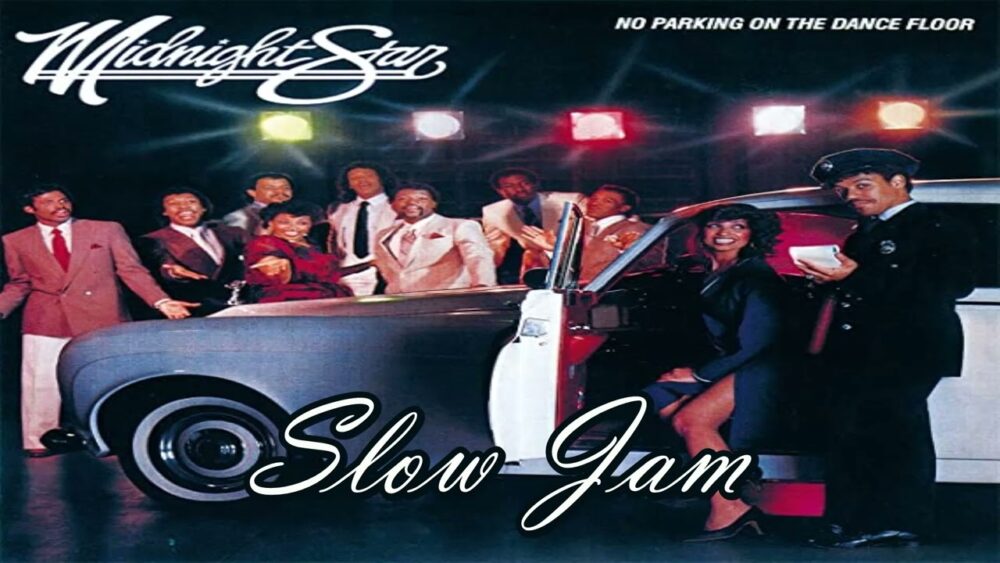
In 1983, the legendary R&B group released “Slow Jam,” a song that would become a classic in its own right — and eventually an unofficial anthem of Sunday Night Slow Jams™. For an entire generation, the song helped cement those two words into the musical vocabulary.
But Midnight Star wasn’t the beginning of the story.
Not even close.
We recently went searching for the earliest origins of the phrase, and the trail took us back more than two decades earlier — to July 1, 1961.
That’s when the words “slow jam” appeared in the pages of The Chicago Defender, the historic newspaper that chronicled Black life, music and culture in America for generations.
There it was, sitting inside a music column from the summer of 1961.
The column discussed records from artists including Ike & Tina Turner and Mary Wells, along with other performers of the era. Legendary Chicago radio personality Herb Kent was also mentioned.
And right there among it all was the phrase we were looking for:
Slow Jam.
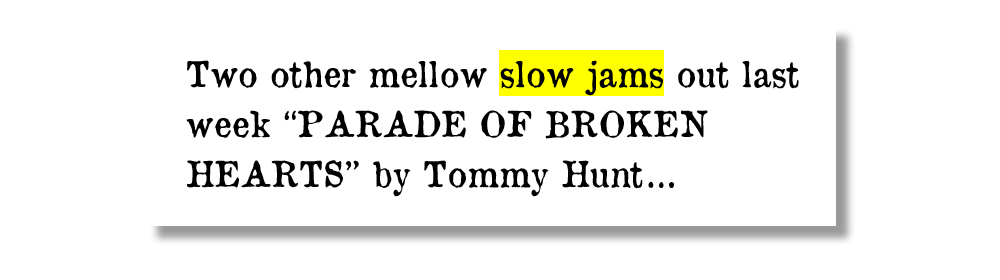
Based on the historical record we uncovered, the answer to a question music fans have been asking for years is surprisingly clear: Who coined the term Slow Jam? It was The Chicago Defender newspaper.
Think about the timeline for a second.
This wasn’t 1983.
It wasn’t the late 1970s.
It was 1961 — more than 22 years before Midnight Star released the song that so many people understandably associate with the birth of the phrase.
The discovery came with some valuable assistance from the Chicago Public Library, whose staff helped us piece together the historical trail and locate the old Chicago Defender material.
And that gives this piece of music history an extraordinary origin story. The Chicago Defender created the term Slow Jam — at least according to the earliest documented use we have been able to uncover — decades before those words would become synonymous with romantic R&B.
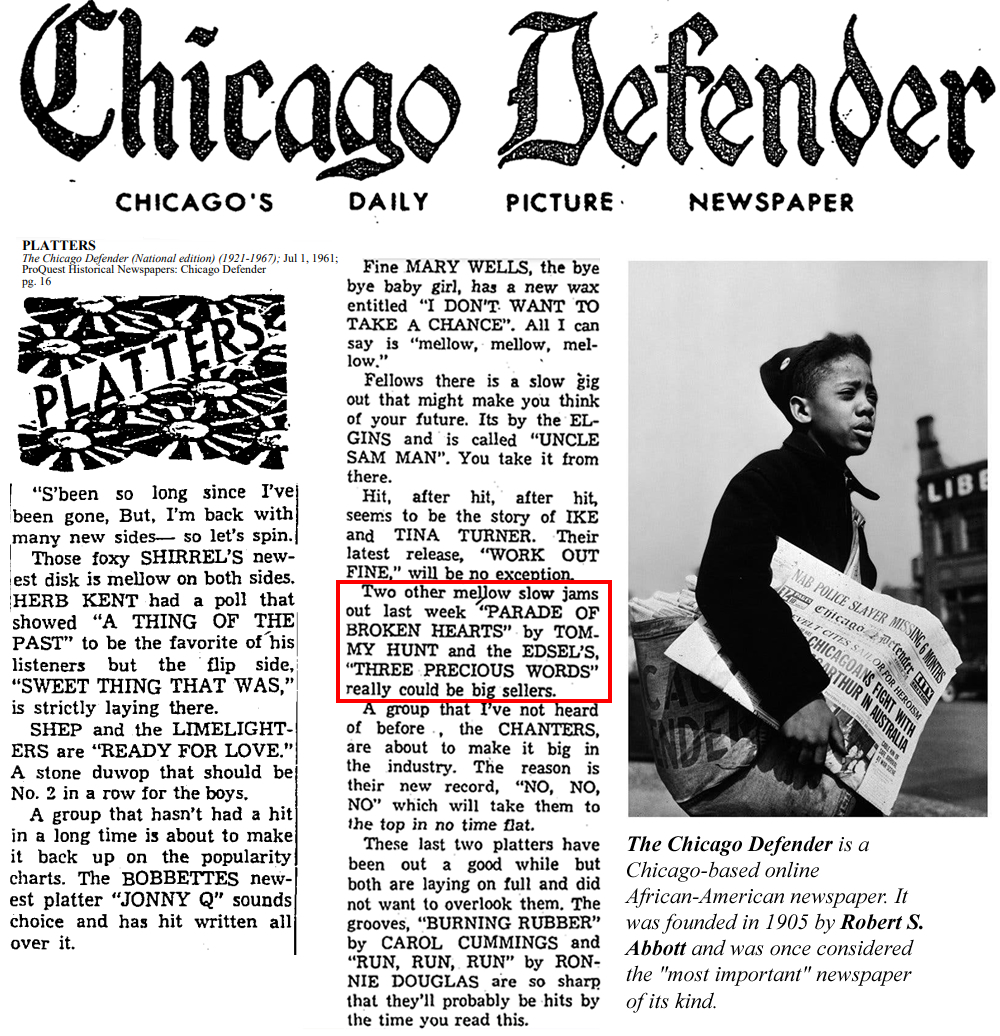
It’s also fitting that the trail leads to The Defender. The phrase we now associate with late-night dedications, quiet storms, candlelight, heartbreak, romance and generations of R&B listeners first appeared in one of the most important Black newspapers in American history.
Midnight Star would later take those two words and help introduce them to millions.
Radio would take them even further.
And eventually, Slow Jams would become a musical category all its own.
For more than 30 years, we’ve been celebrating that music through Sunday Night Slow Jams, taking the sound to listeners around the world. Today, the Slow Jam name also has another chapter in its history: the term is a federally registered trademark belonging to our independent company, Fusion Radio Networks, founded and operated by R Dub!
But the words themselves have been traveling for a very long time.
Long before our radio show.
Long before Midnight Star.
Long before anyone imagined what “Slow Jams” would eventually become.
The historical trail we uncovered leads back to Chicago, July 1, 1961, and the pages of The Chicago Defender.
More than six decades later, we’re still Slow Jammin’.


R DUB KING OF SLOW JAMS
R DUB invented the term Slow Jams as far as we’re concerned. Been listening to you since 1490 in Tucson, then 104.7 in Phoenix, 92.3 in Los Angeles and now 93.5 KDAY. Keep it going R DUB!!!!
I grew up in L.A. Best Slow Jam DJs in no particular order: R-DUB, Kevin Nash, Josefa Salinas and PJ Butta.
Hell yeah. As far as I’m concerned R DUB coined the term SLOW JAM and no one can tell me different. Keep going brother. Listening from Inglewood on 935 KDAY!
R DUB is the KING OF SLOW JAMZ!!!